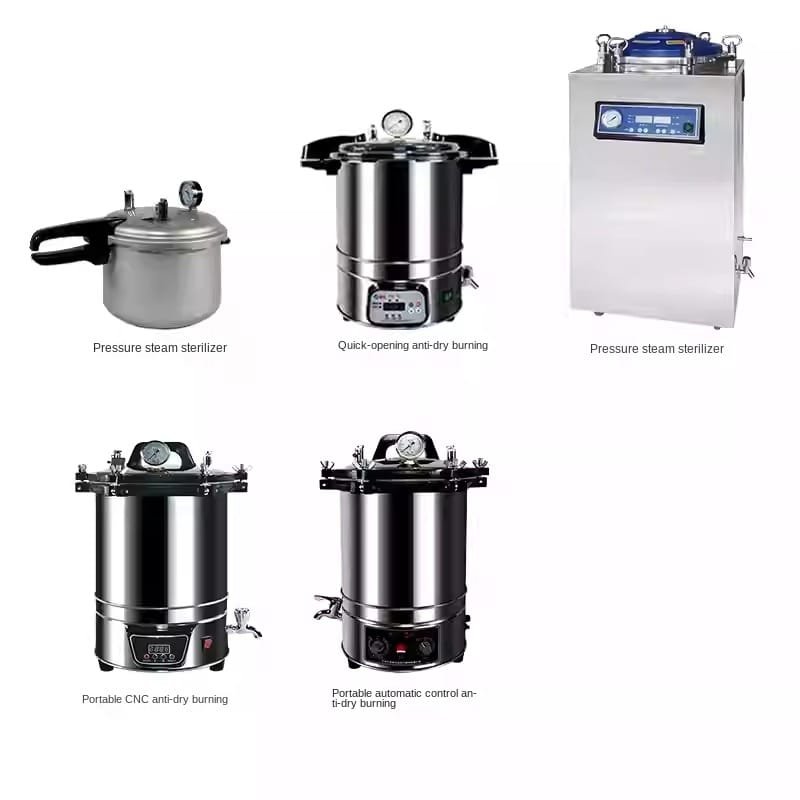
This article discusses how leading healthcare architecture companies and healthcare architects innovate sterilization methods by incorporating high-pressure sterilizers and other cutting-edge technologies. Medical equipment distributors and procurement officers will find our insights valuable to help them understand and invest in modern healthcare facility designs.
The design of healthcare facilities demands detailed planning to maintain the efficiency and effectiveness of sterilization processes. Healthcare architecture firms play a crucial role because they create spaces that enable seamless integration of sterilization equipment such as high-pressure autoclaves. They consider:
The facility layout must enable efficient workflows which reduce the duration that instruments remain unsterilized.
The division of space into designated clean and contaminated zones helps reduce cross-contamination threats.
The HVAC systems should be engineered to prevent pathogen transmission throughout the building.
The core expertise of healthcare design firms lies in developing spaces that fulfill clinical requirements and simultaneously improve the overall experience for both medical staff and patients. Their focus includes:
The integration of sterilization technology should harmonize with the healing environment without diminishing its aesthetic appeal.
The design of healthcare facilities includes sustainable materials and systems which achieve environmental conservation alongside rigorous sterilization requirements.
Leading healthcare architecture firms are advancing the frontiers of sterilization technology integration.
Modular Design enables rapid adjustment of sterilization suites to accommodate new equipment or evolving hospital requirements.
Real-time monitoring and management of sterilization processes through IoT devices guarantees optimal performance.
Systems designed to minimize energy use during sterilization processes support green building standards throughout their operation.
Medical building architects focus on:
The building’s infrastructure must be capable of supporting heavy-duty sterilization equipment especially high-pressure autoclave sterilizers.
Design facilities in a way that they can adapt to future sterilization technology advancements without needing significant retrofitting.
Healthcare architecture firms demonstrate through multiple case studies their success in incorporating sterilization technology into their projects.
A leading healthcare architecture firm collaborated with the well-known New York hospital to upgrade its sterilization department. Sterilization cycle time decreased by 30% while workflow efficiency increased.
The California laboratory complex designed by a healthcare architect included an advanced sterilization system which enabled quick processing of lab equipment to minimize downtime and boost throughput.
The collaborative efforts of healthcare architects and medical building architects create designs that bring about various benefits.
Using efficient sterilization systems results in lower energy consumption and maintenance costs which leads to reduced operational expenses.
The ability to perform more procedures through faster sterilization cycles leads to increased revenue potential.
Better design methods which minimize infection risks lead to better patient results while also enhancing hospital reputation.
Successful healthcare facility design requires partnerships between architecture firms specializing in healthcare and healthcare professionals.
Through their knowledge of sterilization requirements clinicians inform architects who then develop practical medical spaces.
Healthcare architects design facilities which incorporate simulation areas where staff receive training on new sterilization equipment.
Healthcare architects ensure that facilities meet:
Healthcare architecture designs must integrate CDC and WHO guidelines to achieve regulatory compliance.
Quality Control involves creating systems that consistently monitor and maintain sterilization equipment to maintain quality standards.
Looking forward, healthcare architecture firms are exploring:
Sterilization processes benefit from enhanced automation which reduces human error while improving operational efficiency.
The application of VR technology allows healthcare facilities to design and simulate sterilization workflows prior to construction to maximize space utilization.
Sterilization operations use green technology to minimize environmental impact.
Healthcare architecture firms along with healthcare design firms and medical building architects need to bring their specialized skills together to navigate the complex task of implementing advanced sterilization technologies in healthcare facilities. The cutting-edge designs from healthcare architecture firms improve hospital and laboratory safety and efficiency while also equipping these institutions to tackle upcoming developments. These industry experts maintain healthcare facilities at the leading edge of medical care by concentrating on workflow management and technology integration practices which create safe and healing-friendly environments.
The ability to make well-informed investment choices requires medical equipment distributors, dealers, and procurement officers to grasp the sterilization responsibilities of these professionals. Healthcare architects work together with medical professionals to create facilities that meet regulatory standards and establish innovative benchmarks in healthcare design.
Q1: What is the role of healthcare architecture firms in hospital and laboratory sterilization? A1: Healthcare architecture firms design the layout and infrastructure of healthcare facilities to integrate sterilization systems effectively, ensuring workflow efficiency and compliance with safety standards.
Q2: How do healthcare design firms contribute to sterilization design? A2: Healthcare design firms focus on creating environments that balance aesthetics, functionality, and sustainability, ensuring that sterilization technology is seamlessly incorporated into the facility’s design.
Q3: What benefits do top healthcare architecture firms offer in terms of sterilization? A3: Top healthcare architecture firms provide innovative design solutions that enhance sterilization efficiency, reduce energy consumption, and prepare facilities for future technological advancements.
Q4: How does collaboration between healthcare architects and medical professionals impact sterilization design? A4: This collaboration ensures that the design meets the practical needs of healthcare workers, leading to more effective sterilization processes and better training facilities.
Q5: What are some future trends in healthcare facility design related to sterilization? A5: Trends include increased automation, AI-driven systems, and sustainable practices to improve sterilization efficiency and environmental impact.
For further information or to discuss how you can leverage the expertise of healthcare architecture firms for your facility’s sterilization needs, please contact us:
Email: inquiry@shkeling.com WhatsApp: +8618221822482 Website: autoclaveequipment.com
We look forward to helping you optimize your healthcare facility with the latest in sterilization technology and design.
Why Autoclave Is The Best Method Of Sterilization