
Autoclave Glassware: Essential Guide for Medical Device Distributors

The autoclaving process serves as an essential sterilization practice utilized across medical, laboratory, and research facilities to protect glassware and instruments through effective sterilization. High-pressure steam eliminates pathogens during this process which proves vital for meeting hygiene standards in healthcare settings. Medical device distributors along with procurement specialists and healthcare providers frequently seek clarification on the correct procedures and important factors when autoclaving glassware. The article examines the detailed procedures of autoclaving glassware together with best practices and safety measures and answers frequently asked questions.
Can You Autoclave Plastic? A Comprehensive Guide for Medical Device Distributors

Sterilization represents an essential procedure within medical and laboratory settings as it guarantees both the safety and functionality of tools and materials. Most commonly used sterilization methods rely on autoclaving which utilizes high-pressure steam to destroy pathogens. One common inquiry asks whether plastic materials can undergo the autoclaving process. This article examines which plastics can endure autoclaving and outlines optimal sterilization practices along with safety measures. Healthcare professionals who select and use sterilization equipment as well as procurement specialists and medical device distributors will find this information very valuable.
Does Glass Need to Be in Water in an Autoclave? Understanding Sterilization Practices

Autoclaving serves as a common sterilization technique in medical facilities and laboratory environments to remove harmful pathogens from equipment and materials. However, a common question arises regarding the autoclaving of glass: Is the autoclaving process of glass dependent on water immersion? The presence of water during glass autoclaving plays a critical role to achieve proper sterilization and preserve the quality of glassware. This article examines the essential requirements for autoclaving glass while highlighting best practices and safety considerations to aid medical device distributors, procurement specialists, and healthcare professionals.
Can You Put Glass in an Autoclave? A Comprehensive Guide

Sterilization stands as an essential procedure within healthcare to guarantee medical instruments and equipment remain safe and effective. Among the most prevalent sterilization methods is autoclaving which uses high pressure and temperature to eradicate pathogens. However, a common question arises: can you put glass in an autoclave? The article examines how glass materials withstand autoclaving and identifies which glass types are suitable for autoclave sterilization along with best practices and safety guidelines. The data presented here serves as essential knowledge for distributors of medical devices as well as procurement specialists and healthcare professionals who choose and operate sterilization equipment.
Comprehensive Guide to Hot Bead Sterilizers

The medical field relies heavily on proper sterilization methods to maintain safe and effective healthcare practices. Healthcare facilities need to implement dependable sterilization techniques to manage infection risks while complying with strict hygiene standards. Hot bead sterilizers stand out as a preferred sterilization method because they deliver quick and efficient results. The article presents an extensive examination of hot bead sterilizers by explaining their operational principles and benefits while offering best practice advice and answering prevalent concerns. Medical device distributors and healthcare professionals who select sterilization equipment find this information particularly beneficial along with procurement specialists.
The Complete Guide to Glass Sterilizers

Effective sterilization holds paramount importance in healthcare settings. Glass sterilizers now stand as dependable tools for medical professionals to achieve both safe and clean medical instruments. This article delivers an exhaustive examination of glass sterilizers while explaining their functionality and benefits and presenting best practices along with solutions to frequent inquiries. The data presented here offers essential insights for medical device distributors and procurement specialists as well as healthcare workers who choose and operate sterilization equipment.
The Ultimate Guide to Hot Bead Sterilizers

The healthcare sector relies on sterilization as a key procedure which maintains the safety and functionality of medical tools. The hot bead sterilization method stands out among others because it delivers rapid and efficient performance which has resulted in its significant adoption. The content of this article delivers an all-encompassing guide to hot bead sterilizers that covers their operation mechanics, advantages, recommended best practices and answers to common questions. Medical device distributors and procurement specialists along with healthcare professionals who select and utilize sterilization equipment will find this information extremely useful.
The Comprehensive Guide to Glass Bead Sterilizers
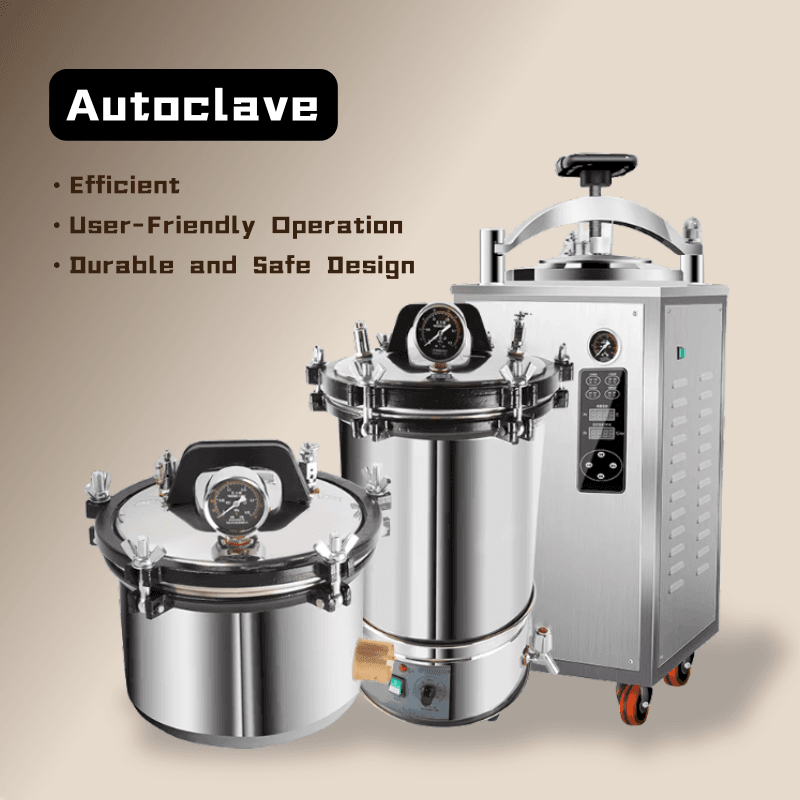
Sterilization serves as a fundamental element of infection control within healthcare environments. Glass bead sterilizers stand out among multiple available sterilization methods as they offer an effective way to quickly sterilize small instruments. The purpose of this article is to deliver extensive knowledge about glass bead sterilizers through detailed explanations of their working mechanism, advantages, optimal usage practices, and answers to popular questions. Medical device distributors along with procurement specialists and healthcare professionals who select sterilization equipment will find this information especially useful.
Understanding Bead Sterilizers: A Comprehensive Guide for Medical Device Distributors
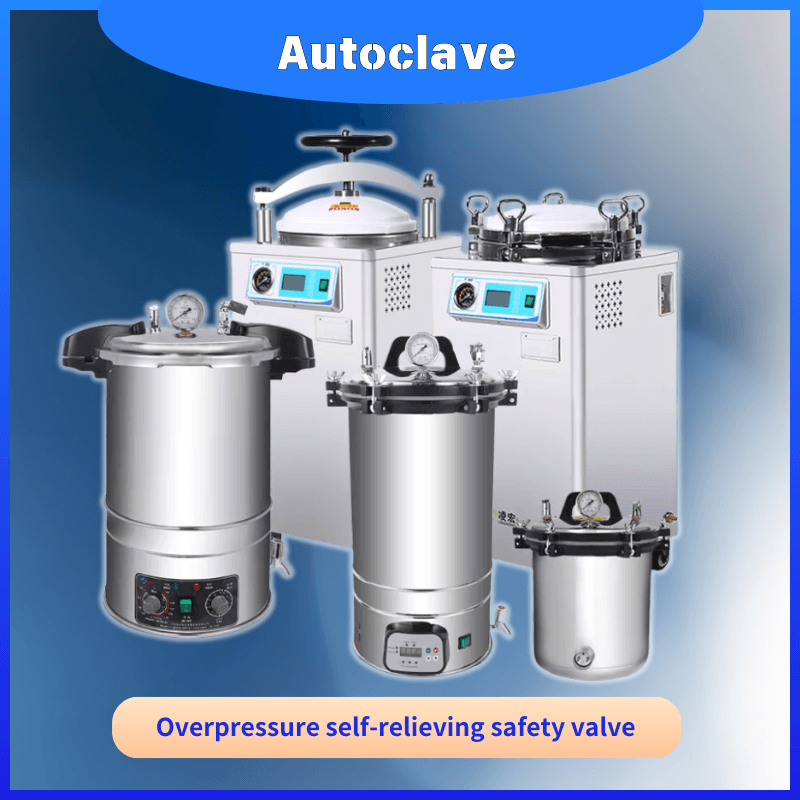
The medical industry relies on sterilization as an essential procedure to maintain the functional safety of medical instruments and equipment. Bead sterilizers stand out among different sterilization methods for their efficient performance and user-friendly operation. This article provides thorough insights into bead sterilizers by examining their operation principles and benefits while offering best practice guidelines and addressing typical usage queries. Medical device distributors, procurement specialists and healthcare professionals responsible for sterilization equipment purchase and distribution will find this information especially beneficial.
How Often Should Autoclaves Be Tested? A Comprehensive Guide

The sterilization process of medical equipment depends heavily on autoclaves which ensure all harmful microorganisms are eradicated from instruments. An autoclave remains effective only when it undergoes consistent testing and maintenance. Medical device distributors and procurement specialists along with healthcare professionals must know the testing frequency of autoclaves to protect patients and meet industry standards. The article presents comprehensive information on how often autoclaves should be tested alongside various testing methods and best practices for maintaining sterilization processes.