
Best Practices for Using Liquid Autoclaves

Liquid autoclaves have become essential for sterilizing liquids across laboratories and healthcare facilities and industrial settings. Incorrect usage of liquid autoclaves risks damaging the equipment while causing incomplete sterilization processes and creating safety dangers.
The Science Behind the Autoclave Liquid Cycle

Autoclave liquid cycles provide a specialized approach for sterilizing liquids reliably and safely. The liquid cycle stands apart from solid and porous material cycles because it considers the specific behavior of liquids including their expansion when heated and their vulnerability to quick cooling.
How to Autoclave Water: A Step-by-Step Guide

Multiple laboratory and industrial settings require sterilized water as an essential element for healthcare applications. Autoclaving water serves as a sterilization method that removes harmful microorganisms and contaminants when preparing culture media and cleaning medical instruments as well as for experimental purposes.
How to Autoclave Liquids Safely and Effectively

The practice of autoclaving liquids serves as an essential procedure within laboratory settings and healthcare facilities as well as food processing and pharmaceutical industries. Proper sterilization protects liquids against harmful microorganisms and keeps operations safe while meeting industry regulations.
Understanding Liquid Autoclaves: A Complete Guide

Precise sterilization processes in various industries depend heavily on liquid autoclaves. Sterilizing liquids through autoclaving remains essential to maintaining safety protocols and meeting industry standards across healthcare fields as well as laboratory and food processing sectors. This guide will explain the essential features of liquid autoclaves including their operation systems and uses while highlighting their benefits.
How Long Do Sterilized Items Remain Sterile?

Many industries prioritize sterility as a critical factor particularly in healthcare settings alongside veterinary medicine and laboratory environments. Sterilization practices protect instruments and tools from harmful microorganisms which reduces infection risks and contamination occurrences. The effectiveness of sterilization depends entirely on maintaining the sterility of items until they are used.
How Long Do Instruments Stay Sterile After Autoclaving in Veterinary Settings?

Infection control within veterinary medicine relies heavily on proper sterilization techniques. Veterinary staff and animals need sterile instruments during every medical procedure from basic check-ups through complex surgeries to ensure safety. Autoclaving remains the leading sterilization technique due to its strong efficacy against microorganisms. The distinctive environmental factors found in veterinary settings like exposure to animal fur and fluids combined with high-risk areas affect the duration that instruments retain their sterility after autoclaving.
How Long Do Instruments Stay Sterile After Autoclaving?

Medical and industrial professionals recognize autoclaving as the top sterilization method across multiple fields. This sterilization process employs high-pressure steam to eradicate microorganisms which makes instruments ready for safe use.
How Long Are Sterilized Instruments Good For?
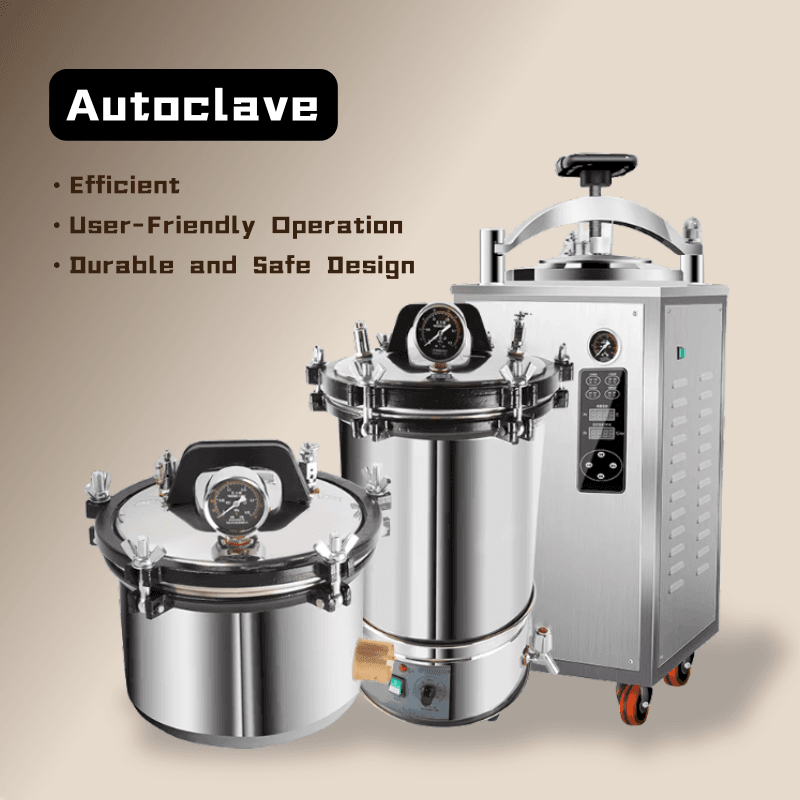
Sterilization functions as an essential procedure across medical, veterinary, and industrial applications to maintain instrument safety and functionality. Sterilization processes remove harmful microorganisms which prevent infection risks and contamination during medical procedures. However, one common question arises: **how long do sterilized instruments remain sterile? **
FAQs About Heat Sterilization

Multiple industries including healthcare and pharmaceutical sectors implement heat sterilization to eradicate microorganisms effectively. The effectiveness of heat sterilization stands proven, yet many professionals seek clarification on process specifics like dry vs. moist heat methods and material compatibility.