
Autoclave Sterilization Temperature: Critical Parameters for Effective Microbial Inactivation

Autoclave sterilization depends on temperature control since microbial destruction rates multiply rapidly when temperatures exceed 121°C. According to WHO research from 2023 sterilization effectiveness decreases by half when the temperature deviates 1°C below the intended level. The manual explains scientific theories along with regulatory requirements and best practices for accurate temperature management throughout steam sterilization processes.
Autoclave Sterilization Process: Complete Guide to Parameters, Cycles & Validation
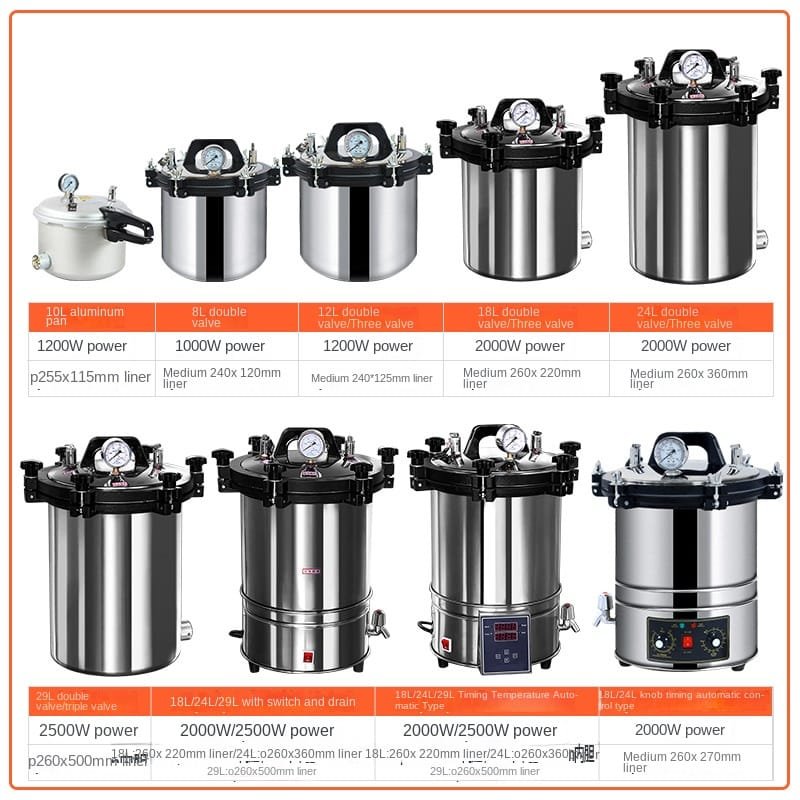
Pressurized steam enables the autoclave sterilization process to eliminate 99.9999% of microorganisms which establishes it as the preferred method for reprocessing medical devices. The WHO reports improper sterilization accounts for 17% of surgical site infections in 2023 and this guide details the scientifically validated autoclave cycle stages as well as critical control parameters and quality assurance protocols needed for compliant sterilization in healthcare and laboratory environments.
Autoclave Room Design: Safety Standards, Layout Requirements & Best Practices

Properly designed autoclave rooms are critical infrastructure for safe sterilization processes in hospitals, research labs, and pharmaceutical facilities. With improper layouts contributing to 38% of healthcare-associated infections (HAI) per CDC data, this guide details evidence-based design principles, regulatory requirements, and operational workflows to create efficient, compliant sterilization spaces.
Autoclave Machines: How They Work, Types, and Proper Sterilization Techniques

Autoclave machines serve as crucial sterilization tools for laboratories as well as healthcare and industrial environments. These systems use pressurized steam at temperatures higher than 121°C (250°F) to remove bacteria, viruses and spores with 99.9999% effectiveness. The guide covers essential operating principles of autoclaves, key design features and protocols that guarantee steady sterilization results along with optimal equipment longevity.
Hospital Autoclave Systems: Comprehensive Guide to Safe Medical Sterilization

Autoclaves used in hospitals play a vital role in sterilizing more than 95% of all reusable surgical tools while ensuring patient safety. Healthcare-associated infections (HAIs) cost U.S. hospitals \$28.4 billion every year so strict autoclave management must remain an absolute requirement. This document describes the engineering processes alongside operational workflows and compliance structures which maintain sterile medical devices in clinical settings.
What is an Autoclave? The Definitive Guide to Steam Sterilization Technology

The autoclave functions as a pressurized steam sterilization system which transformed infection control in medical laboratories and industrial settings. The guide explains autoclave engineering principles and operational protocols while illustrating the scientific reasons why it remains essential for pathogen destruction.
Why Are Autoclaves Used to Sterilize Surgical Equipment? The Science Behind Effective Sterilization

For more than one hundred years autoclaves have remained fundamental in sterilizing medical equipment especially surgical instruments. The article examines why autoclaves remain essential in healthcare facilities by detailing their superior capacity to eliminate tough pathogens and fulfill high sterilization requirements.
Food Industry Autoclave: Ensuring Safety and Shelf Life
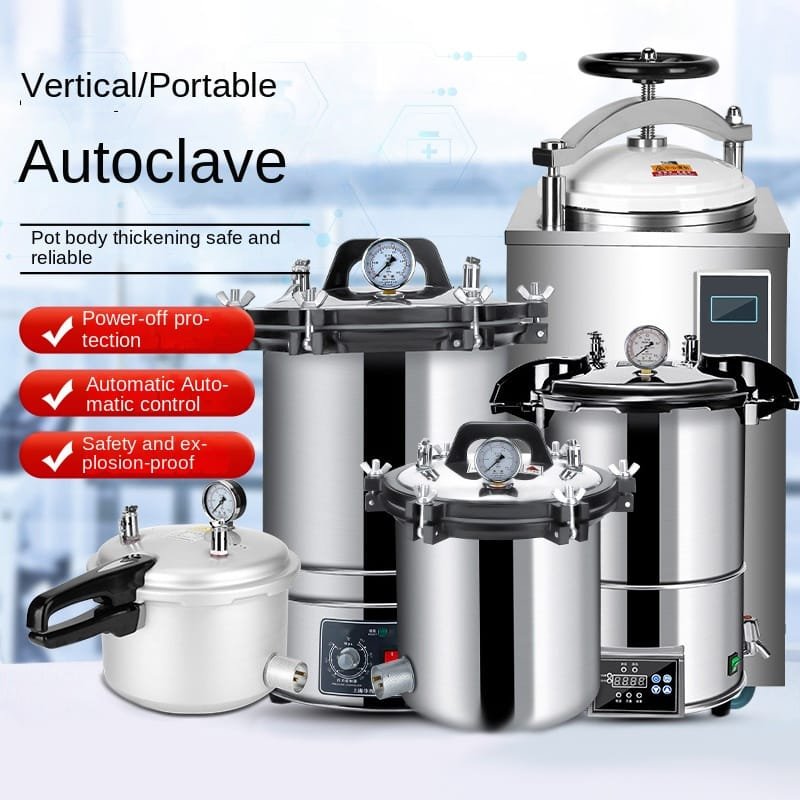
The food industry requires sterilization processes to maintain product safety and quality standards. Food processing uses autoclaves to sterilize products along with their packaging and equipment which helps extend shelf life while preventing contamination. The following analysis examines the functional role of autoclaves and outlines their advantages and best practices in food processing.
Pharmaceutical Autoclave: Sterilization for Drug Safety
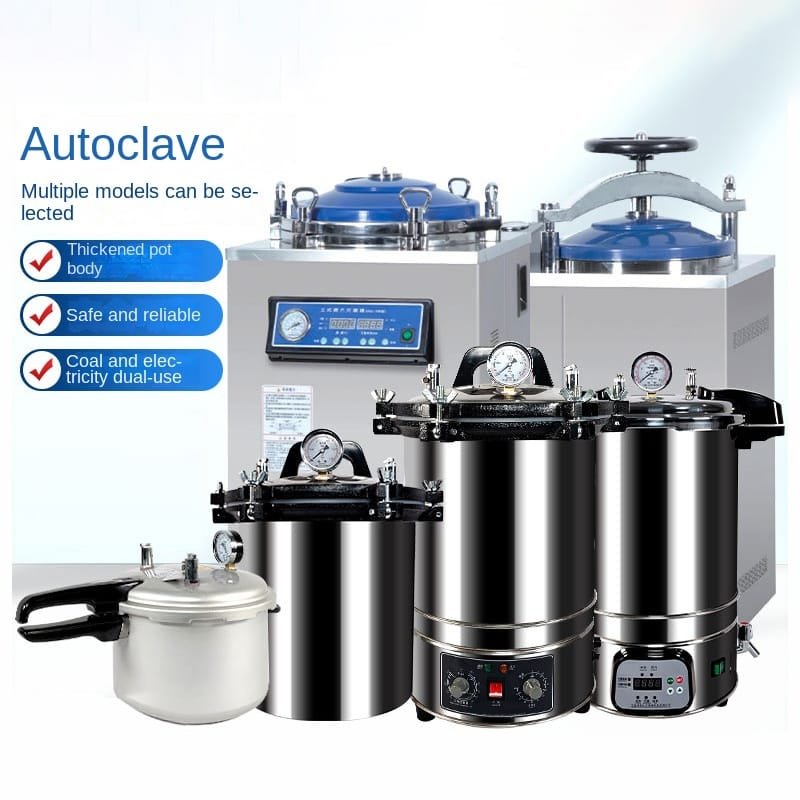
Pharmaceutical sterilization practices play a fundamental role in maintaining drug safety and effectiveness. Pharmaceutical autoclaves serve as specialized equipment to sterilize containers and materials along with drug production equipment. This article examines their function as well as their advantages and optimal use practices within the pharmaceutical industry.
Medical Autoclave: Sterilization for Healthcare Safety

The healthcare industry depends on sterilization processes to minimize infection risks and protect patient health. Specialized medical autoclaves have been created to sterilize equipment and instruments with high efficiency. This article examines the function of autoclaves within healthcare settings as well as their advantages and recommended practices.