
Best Practices for Cleaning and Disinfecting Medical Instruments

The effective cleaning and disinfection of medical instruments serve as essential components in infection prevention. These procedures maintain patient safety while simultaneously safeguarding healthcare workers and increasing the longevity of costly medical tools. Improper cleaning and disinfection procedures allow microorganisms such as bacteria, viruses, and fungi to stay on instruments which creates severe dangers for both patients and staff members.
Tips for Maintaining High-Pressure Autoclaves for Optimal Sterilisation
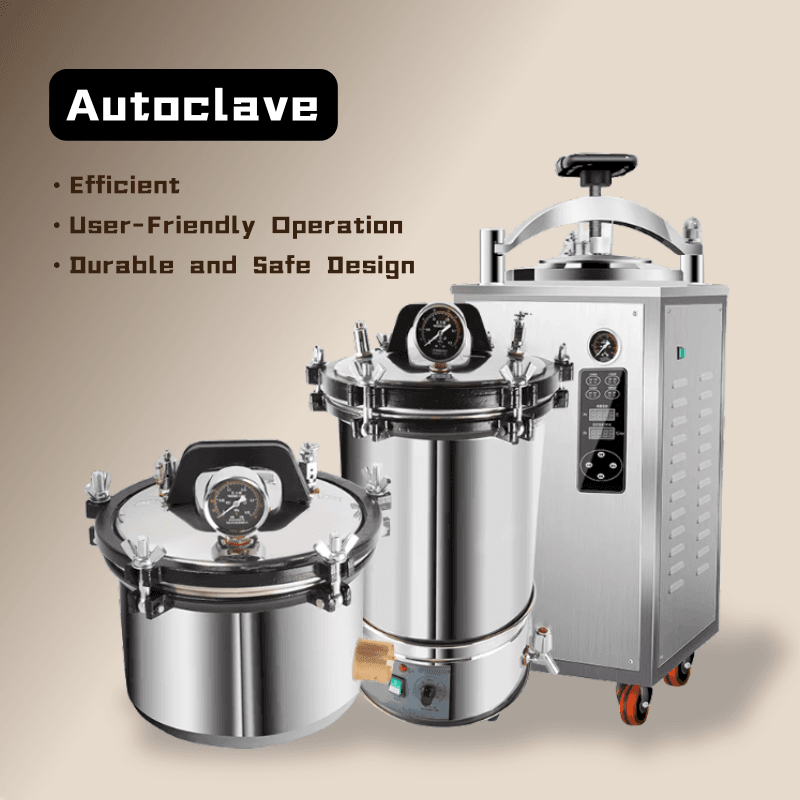
Sterilisation in healthcare, laboratories and additional industries that need sterile conditions depends entirely on autoclaves. Medical instruments and materials require these high-pressure steam devices to eliminate harmful microorganisms because they are essential for sterilization. Autoclave effectiveness depends significantly on regular maintenance. When routine maintenance is ignored autoclave performance becomes erratic which leads to faulty operations and expensive operational interruptions.
Comparing Sterilisation Methods: Autoclaving vs. Chemical Sterilisation
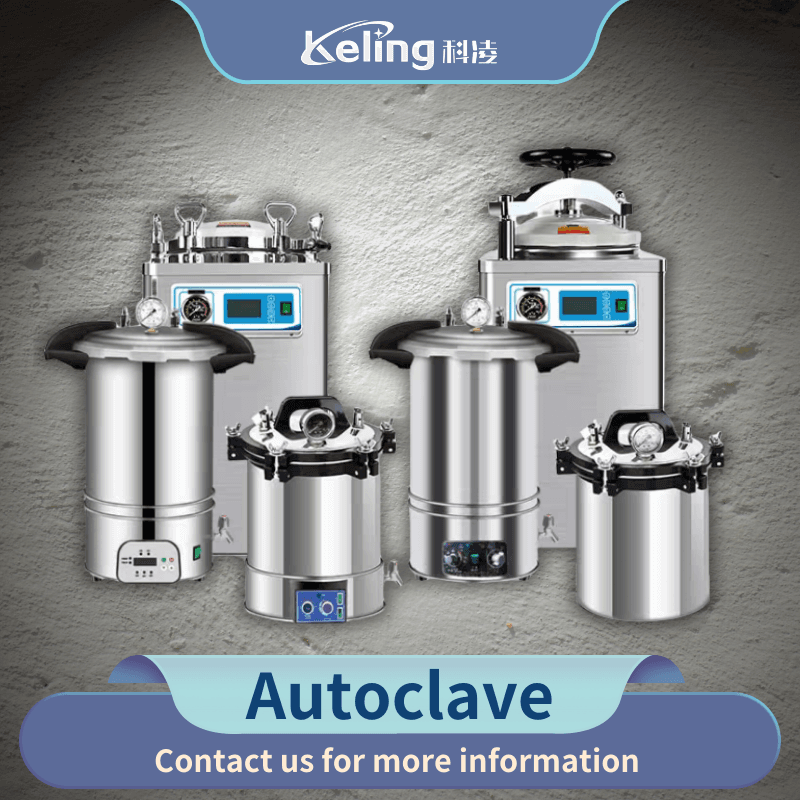
Healthcare and laboratory environments require sterilisation because it protects medical equipment and instruments from dangerous microorganisms. Selecting the appropriate sterilization method is vital to ensure safety standards while meeting compliance requirements and maximizing operational efficiency. Autoclaving and chemical sterilisation represent the two primary methods used for sterilisation processes. The distinctive advantages and limitations along with applications of each method make it essential to understand their differences to choose the most appropriate one for specific requirements.
Surgical Disinfection: Ensuring Patient Safety in Operating Rooms
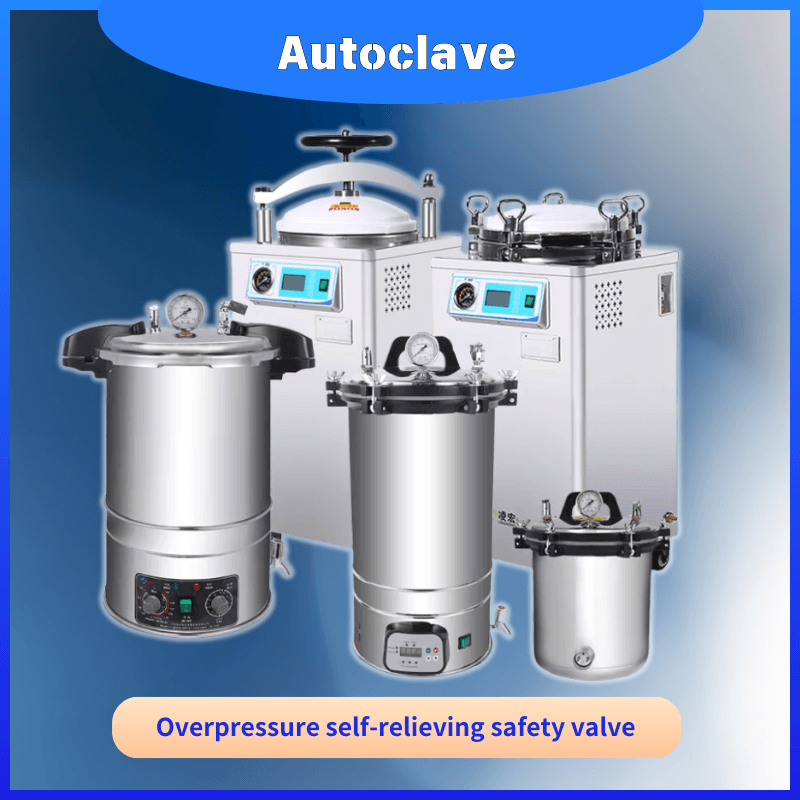
Infection control within healthcare settings depends heavily on surgical disinfection protocols. Operating rooms represent high-risk settings where minor hygiene failures can result in severe outcomes including surgical site infections (SSIs). These infections endanger patient safety while burdening healthcare systems through extended hospital stays and extra treatments.
Understanding the Basics: Cleaning, Disinfection, and Sterilisation

Healthcare and laboratory sectors depend on sterile and safe environments to both prevent infections and maintain procedural integrity. The fundamental components of infection control protocols consist of cleaning, disinfection, and sterilisation processes. Every process performs a specific function to eliminate contaminants while reducing microbial presence and eradicating pathogens.
Why Proper Sterilization is Critical in Veterinary Practices

Proper sterilization procedures form the fundamental basis of safety and cleanliness in veterinary medical environments. Sterilizing both surgical and examination equipment helps prevent infections and cross-contamination while protecting health for animals and humans.
The Cost of Veterinary Autoclaves: What to Expect

Animal care facilities require veterinary autoclaves to maintain sterile conditions. However, one of the most common questions from medical equipment distributors, resellers, and procurement specialists is: “How much do veterinary autoclaves cost?”
Common Myths About Veterinary Autoclaves Debunked

Autoclaves serve as vital instruments to keep animal care facilities sterile. These devices are commonly used but surrounded by numerous misunderstandings. These misconceptions about veterinary autoclaves lead both small and large clinics to hesitate before making investments in autoclaves or preventing them from maximizing their use.
The Future of Veterinary Sterilization: Innovations in Autoclaves

Maintaining safe and hygienic practices in animal care depends on veterinary sterilization processes. The development of technology leads to advancements in sterilization tools and techniques. Veterinary autoclaves which play a vital role in instrument sterilization are experiencing major technological developments to satisfy modern clinic requirements.
Maintenance Tips for Your Veterinary Autoclave

Animal care facilities must have veterinary autoclaves because they sterilize surgical instruments and tools efficiently. Just as any piece of equipment needs periodic upkeep autoclaves need regular maintenance to operate optimally. When maintenance is neglected it causes performance problems alongside incomplete sterilization and expensive repair work.