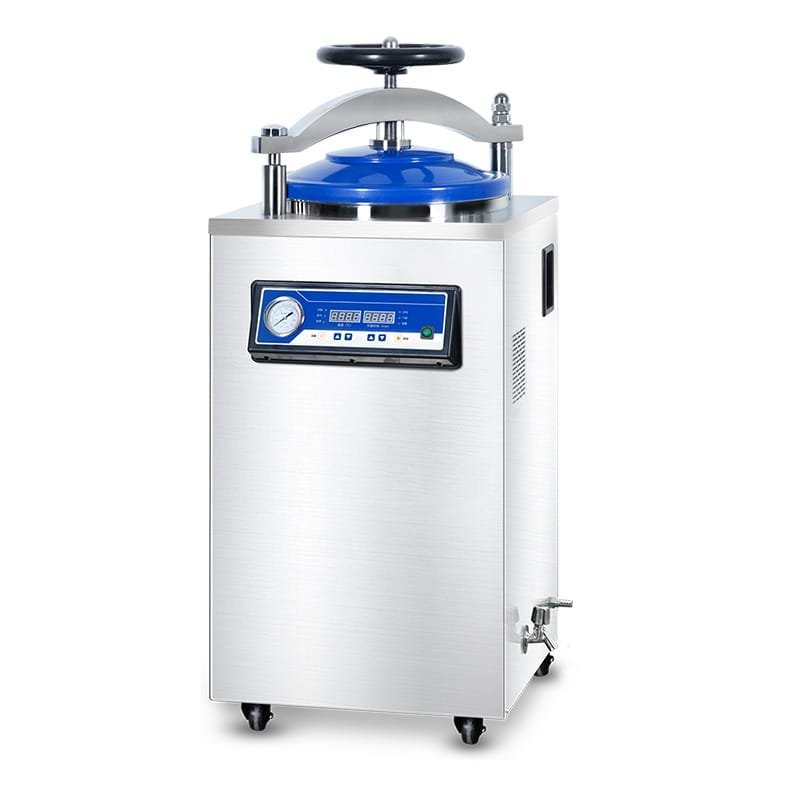
This guide examines the scientific principles governing autoclave temperatures along with their sterilization importance while detailing monitoring best practices and effects on the medical industry. The course ensures that you gain thorough knowledge about this vital topic along with its business applications.
Autoclaves represent the highest standard for sterilization which serves as a fundamental element in medical safety. Autoclaves achieve optimal performance when they sustain precise temperature and pressure conditions that destroy dangerous microorganisms.
Complete Sterilization: Maintaining the appropriate temperature destroys harmful bacteria and viruses as well as fungi and spores.
Equipment Longevity: Appropriate temperature settings help protect sensitive materials from damage while preserving the durability of medical instruments over time.
Compliance with Regulations: Medical and laboratory environments must follow rigorous sterilization standards that require precise temperature regulation.
The temperature ranges for autoclaves are determined by the sterilization requirements needed.
Medical sterilization cycles use this temperature setting for 15 to 30 minutes.
The temperature of 134°C (273°F) enables quick sterilization by processing instruments in just 3–5 minutes for fast service.
High pressure working together with these temperatures destroys even the toughest microorganisms.
Autoclaves apply heat and pressure from steam to effectively sterilize equipment. Here’s how it works:
Steam Generation: Heated water inside a closed chamber generates steam for sterilization purposes.
Heat Transfer: The materials undergo heat transfer from steam which elevates their temperature.
Cellular Destruction: Microorganisms become inactive because the high temperature and pressure damages their cellular structure.
The effectiveness of autoclave sterilization depends on multiple factors.
When the load is too large or improperly arranged it blocks steam circulation which creates uneven temperature distribution.
Sterilization processes vary depending on the type of material used. Metal instruments can tolerate higher temperatures during sterilization but plastics need lower temperatures.
Regular maintenance of the autoclave guarantees it maintains proper temperature and pressure levels.
Effective sterilization requires continuous monitoring of the autoclave temperature to maintain its precision. Here are some best practices:
Autoclave tape and other chemical indicators signal proper temperature attainment through color change.
Spore tests serve as Biological Indicators by verifying the destruction of microorganisms.
Perform regular calibration checks on your autoclave to keep temperature readings precise.
Keep the autoclave load balanced to maintain uniform steam flow and steady temperature levels.
Make maintenance appointments to examine components like faulty seals and heating elements that might disrupt temperature control.
While autoclaves serve multiple purposes across different industries they remain mostly utilized for medical purposes. Here are some common uses:
Through the use of autoclaves surgical tools like scalpels and forceps become contamination-free.
Research laboratories and testing facilities depend on autoclaves to sustain sterile environments.
Autoclaves function to sterilize medical waste and enable its safe disposal.
Reusing sterilized syringes, glassware, and dental tools helps lower waste production and expenses.
Autoclaves work well but operators often struggle with keeping the right temperature settings. This section outlines prevalent autoclave problems and their solutions.
Inconsistent heat distribution during sterilization processes leads to incomplete sterilization outcomes.
Solution: Ensure proper loading and regular maintenance.
Defective sensors create unreliable temperature measurements.
Solution: Replace sensors during routine maintenance.
Problem: Poor-quality steam can affect heat transfer.
To generate clean steam you should use either distilled or deionized water.
Medical and laboratory settings require proper autoclave temperature maintenance to achieve effective sterilization. Medical equipment safety and reliability can be ensured by distributors, dealers and procurement professionals through the adoption of best practices and investment in top-tier autoclaves.
When needing dependable autoclave solutions Keling Medical stands ready to assist you. Our comprehensive selection of sterilization equipment meets the specific requirements of both medical professionals and distributors.
The standard autoclave temperature is 121°C (250°F) for most sterilization cycles.
The correct temperature ensures the destruction of microorganisms, preventing contamination and ensuring safety.
No, some materials, such as certain plastics, require lower temperatures to avoid damage. Always check the manufacturer’s guidelines.
Regular calibration, maintenance, and the use of temperature indicators can help ensure accurate temperature control.
Steam is an efficient heat transfer medium that penetrates materials and kills microorganisms more effectively than dry heat.
For more information or to inquire about our autoclave products, contact Keling Medical today!
Email: inquiry@shkeling.com
WhatsApp: Click to Chat
Website: https://autoclaveequipment.com/
Let us help you find the perfect sterilization solution for your business!
Why Autoclave Is The Best Method Of Sterilization