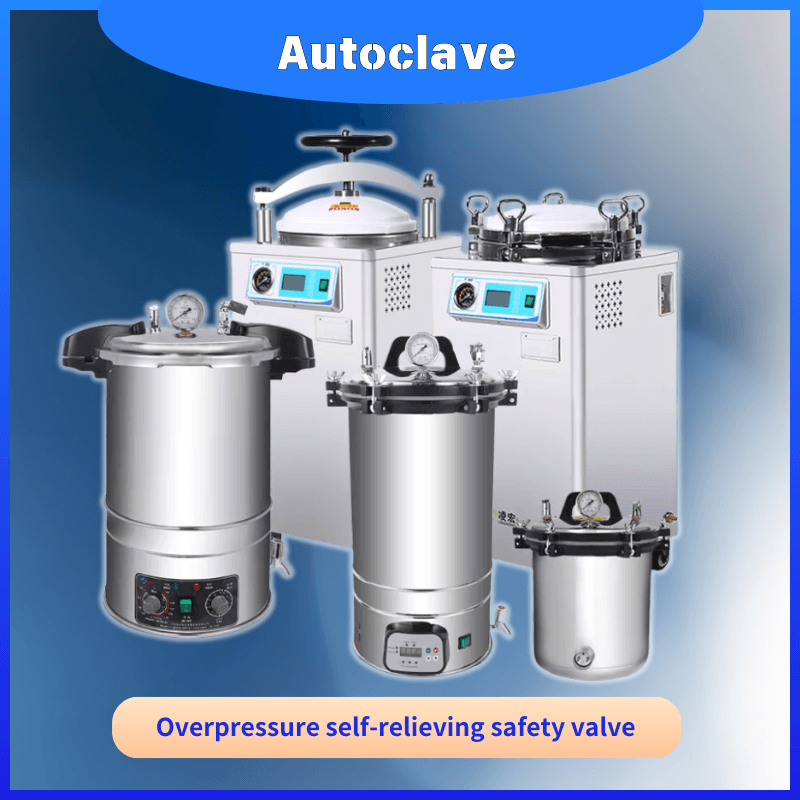
This article examines the key elements that determine laboratory autoclave prices including their manufacturing standards and functional advancements. Knowledge of these factors will strengthen your ability to assess alternatives while delivering value to your customers.
For inquiries about reliable and competitively priced autoclaves, contact us at inquiry@shkeling.com, WhatsApp us at +8618221822482, or visit our website at autoclaveequipment.com.
Laboratory autoclave pricing depends heavily on both material quality and manufacturing process standards.
Autoclaves equipped with high-grade stainless steel chambers provide better durability and resistance to corrosion although they require higher investment.
Premium-grade gaskets along with valves and seals deliver sustained performance and dependable operation.
Autoclaves manufactured through precision engineering and stringent quality control processes usually incur higher costs yet deliver improved performance and extended lifespan.
Autoclaves with ISO or CE certifications which comply with international safety standards typically require a higher investment but deliver enhanced reliability.
Autoclaves made with top-notch materials and manufacturing techniques cost more initially but save money over time by lowering maintenance costs and prolonging service life.
Autoclave prices depend heavily on their size and capacity.
Autoclave units with smaller chambers work best for research facilities that require limited sterilization services.
The smaller size and basic design of compact autoclave models make them more economical.
This autoclave model works well for sterilizing limited quantities of glassware equipment and biological culture media.
These autoclaves are engineered for industrial and large-scale laboratory applications as they can accommodate bigger loads and perform bulk sterilization.
The need for more materials together with complex engineering solutions results in higher prices for larger autoclave chambers.
These autoclaves find widespread use in pharmaceutical laboratories as well as research facilities and medical institutions.
Analyze both the quantity and regularity of sterilization processes needed.
Select an autoclave that manages peak demand without paying extra for unnecessary capacity.
The price of modern autoclaves is affected by their advanced features and automation capabilities.
Autoclaves with programmable sterilization cycles enable users to adjust settings specifically for different materials and applications.
The added convenience of these features results in higher costs for the product.
Touchscreen controls provide straightforward operation and allow immediate monitoring of sterilization cycles.
Autoclave systems with advanced controls generally require higher financial investment.
Autoclaves equipped with data logging help organizations fulfill regulatory standards through their sterilization parameter recording functionality.
Remote access for cycle monitoring and control is possible through Wi-Fi or Bluetooth connectivity in certain models.
The additional features lead to higher prices while providing improved functionality and better compliance standards.
Energy-efficient autoclaves save on operating costs while minimizing environmental impact but come with higher upfront expenses.
Laboratories with unique requirements find the investment in advanced features beneficial because they enhance both efficiency and compliance standards.
This article doesn’t make comparisons between brands but understanding market positioning of autoclave manufacturers remains essential.
Autoclaves designed for small laboratory environments and budget-conscious buyers offer only essential functions.
This price range suits buyers who prioritize affordability above advanced features.
These autoclaves deliver a combination of capacity capabilities with advanced settings and long-lasting durability.
These autoclaves present moderate pricing that fits medium-sized laboratories and facilities that require multiple sterilization options.
Premium features incorporate substantial storage capacities with sophisticated automation and durable construction designs.
The elevated prices of these models make them suitable for industrial laboratories and research facilities that operate under high-demand conditions.
The higher cost of autoclaves is often justified when they offer extensive warranties and reliable after-sales support.
Vendors who have proven their quality over time typically receive premium pricing for their products.
The price of a laboratory autoclave depends on various factors, including materials, size, features, and manufacturing quality. While high-end models with advanced features and larger capacities may cost more upfront, they often provide better long-term value through enhanced performance, durability, and efficiency.
For medical equipment distributors, resellers, and procurement specialists, understanding these factors is crucial to recommending the right autoclave to clients. By evaluating the specific needs of a laboratory, you can help your customers balance cost and functionality effectively.
If you’re looking for high-quality autoclaves or need guidance on selecting the right model, contact us at inquiry@shkeling.com, WhatsApp us at +8618221822482, or visit our website at autoclaveequipment.com.
The main factors include materials, size, capacity, advanced features, and manufacturing quality.
Yes, larger autoclaves generally cost more due to the additional materials and engineering required, but they offer higher capacity for bulk sterilization.
For laboratories that require compliance with strict regulations or need enhanced functionality, advanced features like data logging and automation can be worth the investment.
Consider your lab’s sterilization needs, budget, and the volume of materials to be sterilized. Smaller labs may benefit from compact models, while larger facilities may require high-capacity autoclaves.
Stainless steel chambers offer superior durability and resistance to corrosion, which increases the initial cost but reduces long-term maintenance expenses.
For more information or to inquire about laboratory autoclaves, contact us at inquiry@shkeling.com, WhatsApp us at +8618221822482, or visit our website at autoclaveequipment.com.
Why Autoclave Is The Best Method Of Sterilization