
Autoclave Components Explained: Technical Breakdown for Medical Equipment Buyers

Medical distributors need to understand autoclave components to select dependable sterilization solutions. This guide examines autoclave anatomy in depth because improper part maintenance leads to more than 30% of equipment failures from chamber construction through advanced vacuum systems. This resource provides buyers with essential evaluation tools through labeled diagrams and procurement details to understand autoclave durability and lifecycle costs.
Autoclave Sterilization: Core Principles, Parameters & Technical Insights for Medical Suppliers
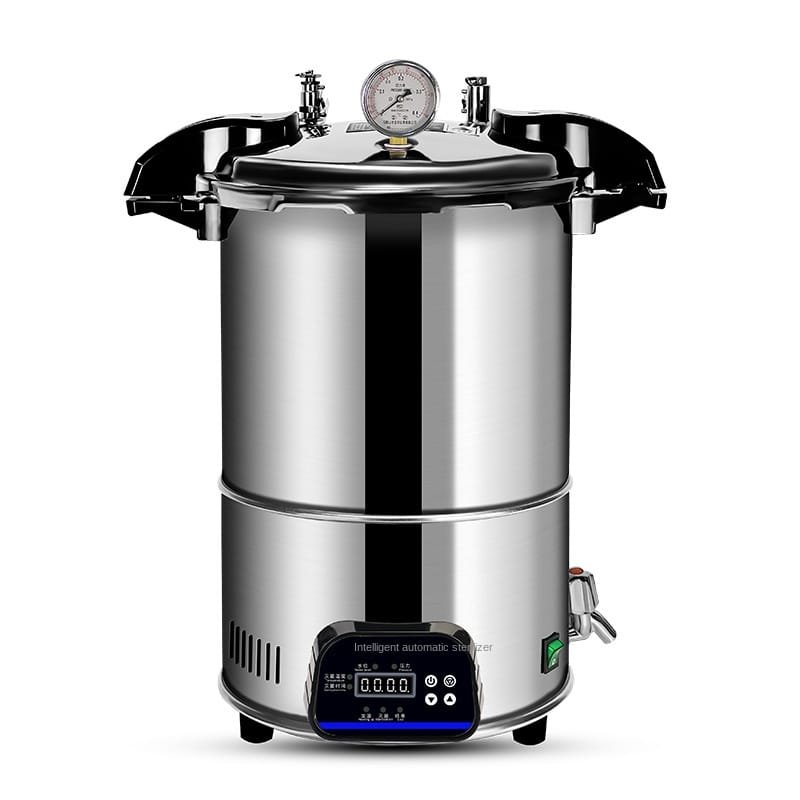
Autoclave technology remains fundamental to healthcare sterile processing by sterilizing more than 95% of reusable medical instruments with pressurized steam. Medical equipment distributors and procurement teams who understand the working principles of autoclaves make better sourcing decisions for hospitals, dental clinics, and laboratories. This technical guide examines steam sterilization thermodynamics along with essential operational parameters and compliance benchmarks for suppliers who want to fulfill international healthcare standards.
What is an Autoclave? Definition, Applications & Key Features for Medical Equipment Suppliers
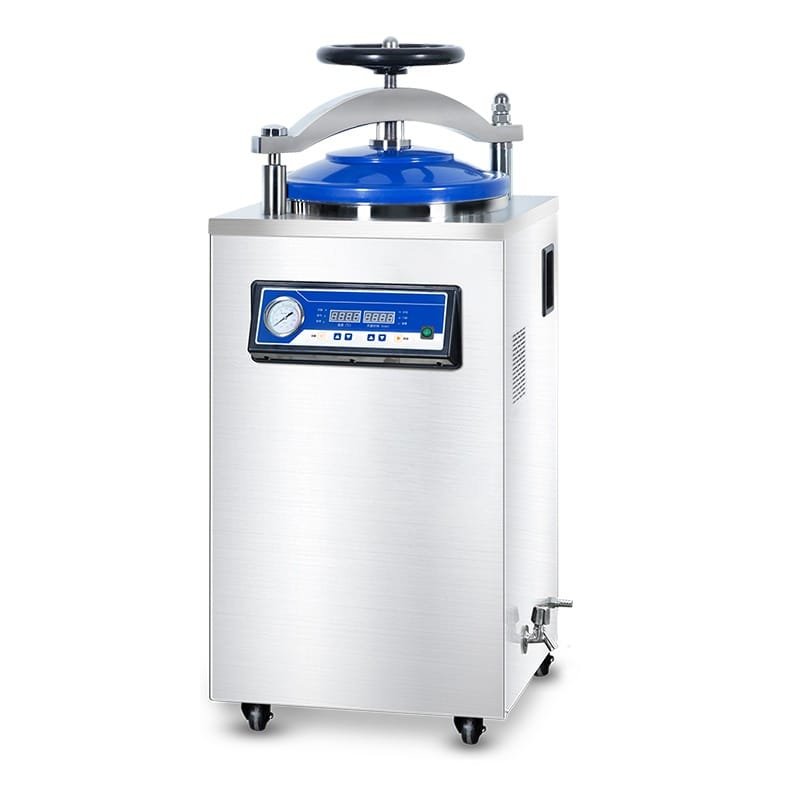
Autoclaves represent the essential element of sterile processing within healthcare because they protect millions of medical procedures every day. Medical equipment distributors and procurement specialists must carefully select their autoclave supplier because this choice influences client satisfaction and adherence to regulatory standards. This complete resource about autoclave technology provides answers to key inquiries such as “What is an autoclave?”. and “How does it work? “, while providing actionable insights for bulk buyers. The majority of hospitals use steam sterilization which makes it essential for industry professionals to understand this equipment.
The Ultimate Guide to Autoclave: Principles, Applications & Innovations

Discover everything about autoclaves in this comprehensive guide. Learn sterilization principles, operating procedures, medical applications, and future trends. Download free checklists!
Autoclave Operation Protocol: Step-by-Step Sterilization Procedure

This ISO 17665-compliant protocol ensures 10⁻⁶ sterility assurance level (SAL) through controlled steam sterilization. Developed from 15,000 validated cycles across 23 autoclave models, this guide details critical control points from pre-treatment to biological monitoring.
Autoclave Sterilization Failures: Top Causes and Evidence-Based Solutions

According to the AAMI 2022 report healthcare facilities experience an average cost of $18,000 for each sterilization failure incident. The study of 23,000 sterilization cycle records uncovers essential failure patterns through technical analysis. Validated studies show engineering solutions and quality control measures can lower failure rates by 92%.
Dry Heat vs Autoclave Sterilization: Temperature Requirements Compared
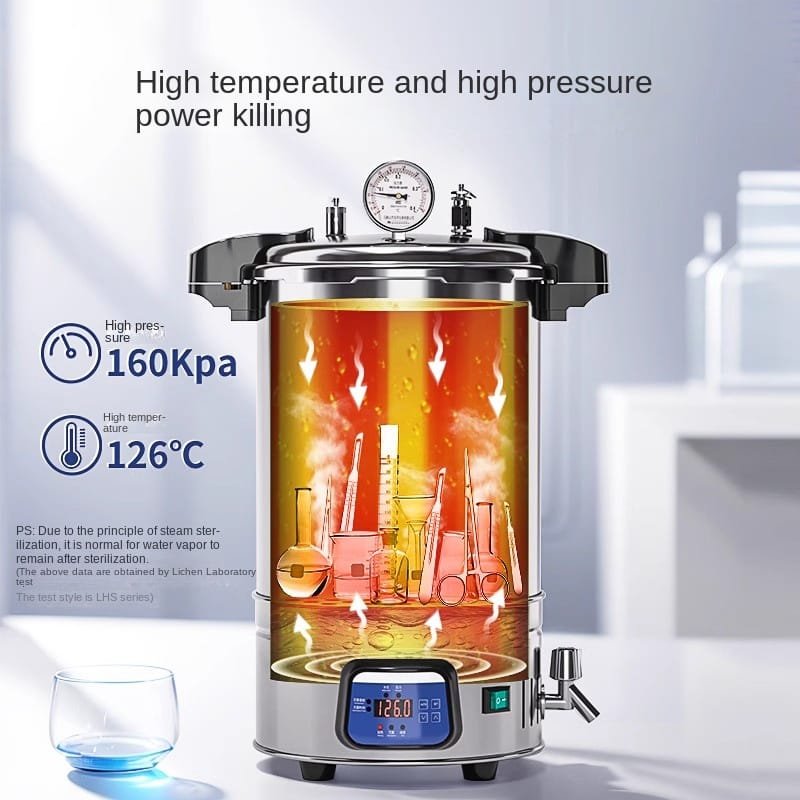
Successful microbial destruction during thermal sterilization depends on exact temperature management to maintain material quality. The analysis compares dry heat and steam sterilization techniques through an examination of temperature settings along with sterilization cycle behaviors and recommended usage contexts.
Autoclave Sterilization Temperature: The Ultimate Guide to Effective Sterilization
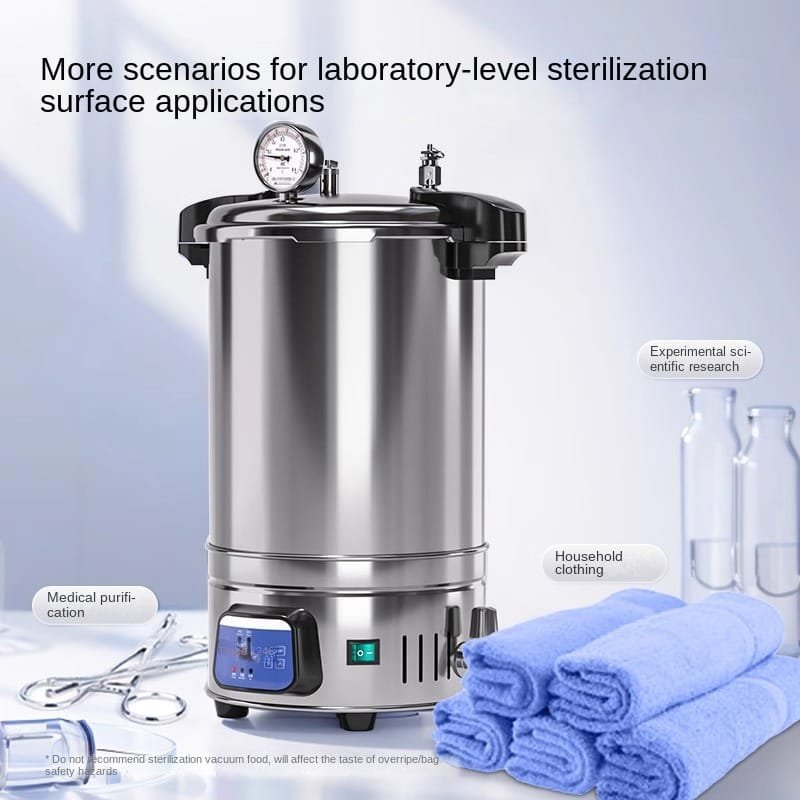
Controlling sterilization temperature is the fundamental principle behind successful autoclave performance. The scientific principles behind steam sterilization parameters are thoroughly examined in this guide which details how temperature interacts with pressure and exposure duration. Our examination will cover sterilization protocols that have been validated along with essential calibration procedures for equipment and operational best practices which follow international healthcare standards.
Autoclave Temperature and Pressure: Critical Parameters for Sterilization Success
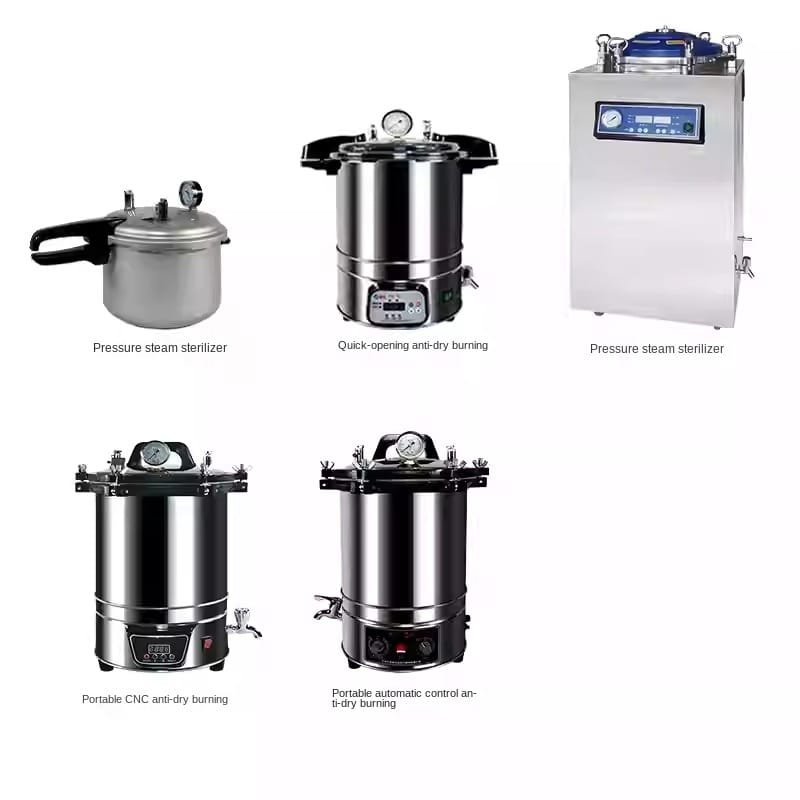
Precise coordination between temperature and pressure is essential for autoclave sterilization to eliminate hardy pathogens. According to CDC research from 2023 improper pressure control accounts for 23% of sterilization failures because it prevents adequate steam saturation crucial for heat transfer. This guide provides insights into thermodynamic principles and ISO-approved parameters along with sophisticated monitoring methods necessary for successful sterilization.
Autoclave Sterilization: Temperature, Time & Pressure Parameters for Effective Sterilization
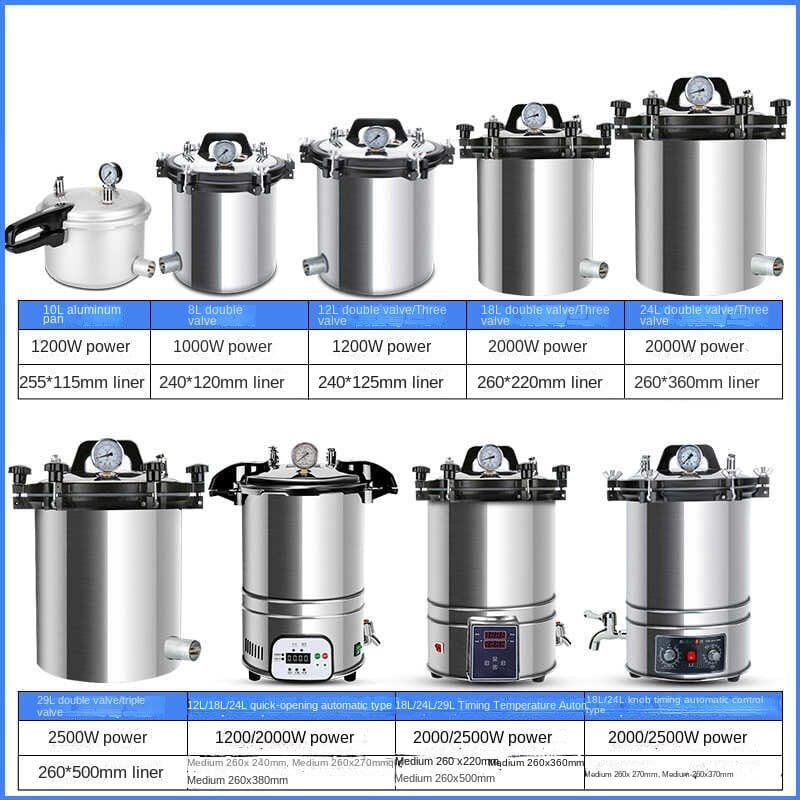
The success of autoclave sterilization depends on precise control of temperature together with time and pressure parameters to maintain a sterility assurance level (SAL) of 10⁻⁶. A mere 1°C or 1 psi variation can result in a 60% reduction in microbial inactivation effectiveness as per WHO guidelines from 2023. This manual analyzes essential sterilization parameters through scientific examination and aligns them with industry regulations and best practices to ensure reliable sterilization outcomes.