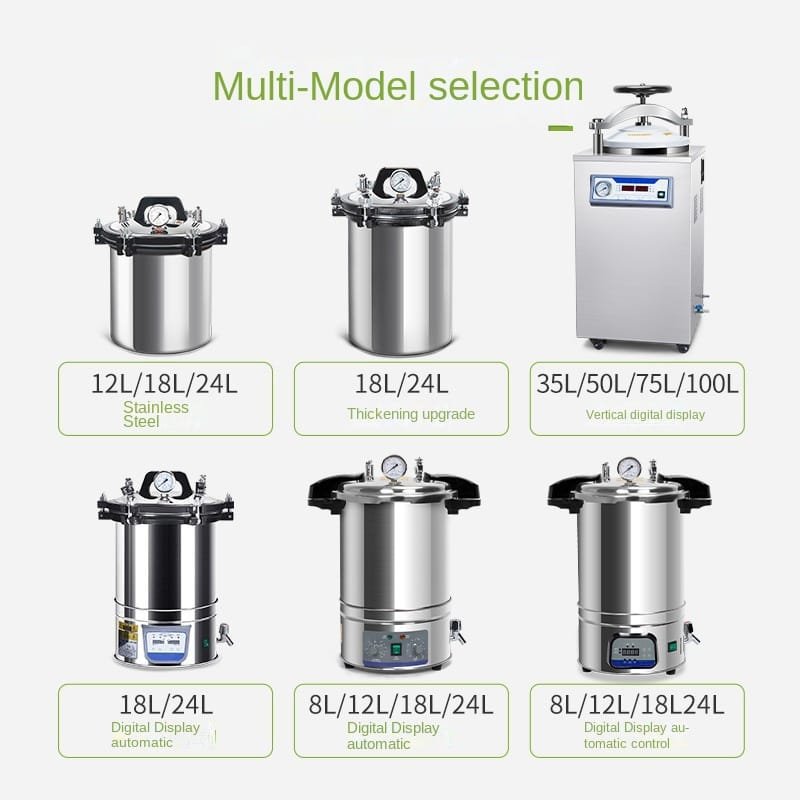
Hospitals depend on instrument sterilization for multiple important reasons.
Patient Safety requires that all medical procedure instruments remain free from pathogens to prevent infections.
Healthcare facilities need to follow rigorous standards to retain accreditation and prevent legal issues.
Optimized sterilization procedures minimize reusable equipment processing time which subsequently improves hospital operational flow.
Hospital instrument sterilization involves several key steps:
a. **Pre-Cleaning: The cleaning of instruments involves detailed removal of biological matter and contaminants before they undergo sterilization. Medical device cleaning and resterilizing require this step because leftover contaminants affect the effectiveness of future sterilization methods.
b. Sterilization Methods:
High-pressure steam is utilized in steam autoclaving to eliminate microorganisms making it the most prevalent sterilization technique. Autoclave equipment meets rigorous standards specifically intended for the sterilization of medical equipment.
Ethylene Oxide Sterilization works best with heat-sensitive tools since the gas can reach deep inside materials to achieve complete sterilization.
Hydrogen peroxide plasma techniques enable low-temperature sterilization which protects delicate instruments from damage.
c. Sterilize Machine: Modern sterilize machines have advanced features built into their systems.
Automated cycles to minimize human error
Integrated monitoring systems for real-time data tracking
Compliance with international standards for medical sterilization
The medical sterilization equipment industry has seen multiple innovative developments through its progression.
Modern sterilization machines feature diagnostic systems which enable maintenance forecasting to maintain uninterrupted functionality.
The latest medical sterilization models operate under green principles by minimizing both energy use and water consumption.
Advanced medical sterilization machines offer customizable cycles to optimize sterilization protocols for different instruments.
Maintaining top-quality standards requires strict adherence to hospital instrument sterilization procedures.
Staff must undergo continuous training to properly operate sterilization machines and follow established protocols.
The routine calibration and maintenance of medical sterilization equipment serves as a preventive measure against unexpected failures.
The effectiveness of sterilization cycles depends on ongoing parameter monitoring and validation to meet compliance standards.
Despite advancements, challenges persist:
Increasing cases of antibiotic-resistant bacteria necessitate the development of stronger sterilization practices.
Maintaining sterilization equipment reliability requires implementing preventive maintenance and keeping backup machines ready.
Automation combined with rigorous training programs helps to minimize human mistakes when sterilizing medical equipment.
Medical sterilisation will advance significantly through the following developments.
The combination of AI and IoT technologies will improve capabilities for monitoring systems and enable predictive maintenance while optimizing processes.
The push towards sustainable sterilization techniques will advance while concentrating on both energy conservation and minimizing waste generation.
Advanced sterilization protocols will be developed to specifically address the unique requirements of different medical instruments.
A successful sterilization strategy involves:
The comprehensive needs assessment involves determining both the quantity and categories of instruments that require sterilization.
The hospital needs to implement the most recent medical sterilization technologies and sterilizing equipment.
Staff training and protocol updates should be performed routinely to accommodate advancements in technology and new workplace practices.
The process of sterilizing hospital instruments is an evolving field demanding ongoing adjustments to technological advances and new pathogens as well as changing regulatory requirements. Healthcare facilities can maintain top patient safety standards and operational efficiency by using advanced sterilization equipment along with best practice adherence and future trend monitoring. Medical equipment distributors, dealers, and purchasers need to provide advanced sterilization machines and solutions for medical device cleaning resterilizing because it serves current needs and ensures future healthcare readiness.
Q1: Why is sterilization of instruments in hospitals important? A1: Sterilization is critical to prevent infections, ensure patient safety, meet regulatory standards, and maintain operational efficiency.
Q2: What are the common methods for sterilizing medical equipment? A2: Common methods include steam autoclaving, ethylene oxide gas sterilization, and low-temperature sterilization techniques like hydrogen peroxide plasma.
Q3: How does medical device cleaning resterilizing work? A3: It involves a thorough cleaning process to remove any biological material before instruments are subjected to sterilization to ensure no residual contaminants interfere with the process.
Q4: What are the advancements in sterilize machines? A4: Advancements include smart diagnostics, energy-efficient operations, customizable sterilization cycles, and integration with AI and IoT for enhanced monitoring and control.
Q5: How can hospitals address the challenge of resistant pathogens in sterilization? A5: By using sterilize machines designed for higher efficacy, adopting new sterilization methods, and ensuring strict adherence to cleaning and sterilization protocols.
For further inquiries or to explore our advanced solutions for hospital instrument sterilization, please contact us:
Email: inquiry@shkeling.com
WhatsApp: +8618221822482
Website: autoclaveequipment.com
We look forward to assisting you in enhancing your sterilization practices with our cutting-edge medical sterilization equipment.
Tại sao phải tiệt trùng bằng autoclave ở 121°C?
Tại sao tiệt trùng bằng autoclave là phương pháp tiệt trùng tốt nhất?
Tại sao nhiệt độ của máy tiệt trùng là 121°C?
Ai chịu trách nhiệm về việc xác nhận tiệt trùng bằng autoclave?